
The Design Stack Goes Agent-Native
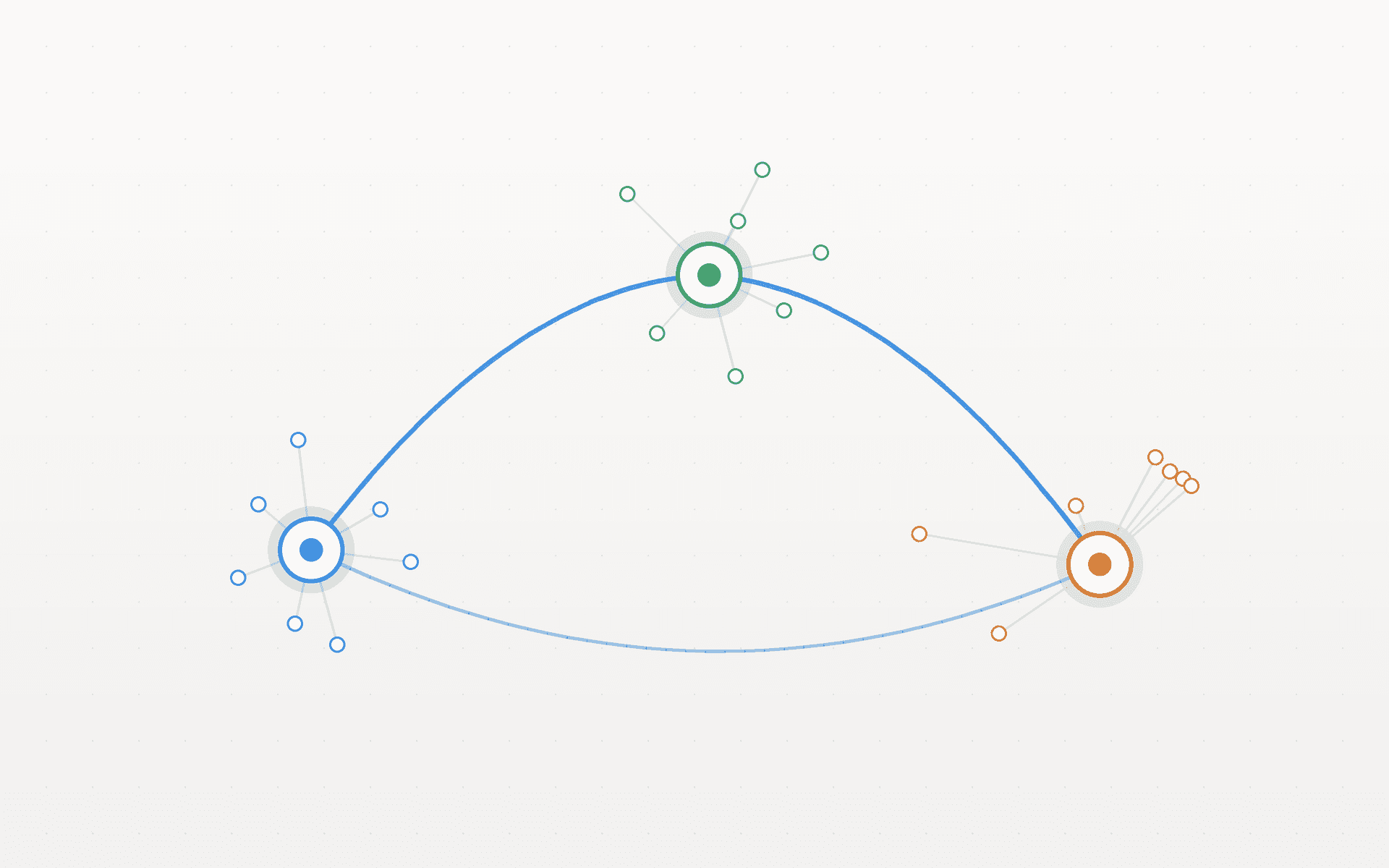
The most important design-tool news of the week was not a feature. Figma, Vercel, and Notion each shipped a way for AI agents to operate their platforms directly, and together they redraw what a creative stack is.
On August 11, Figma made its Weave tools runnable from agents like ChatGPT, Claude, and Cursor through its MCP server. Days earlier, Vercel published Agent Plugins 1.0.0, an open standard for packaging agent skills, while Notion moved its new Workers runtime into general use. The pattern is unmistakable: the tools studios rely on are becoming surfaces that agents can drive.
/ Table of contents:
Tools Become Surfaces for Agents
Figma's August 11 update lets you run Weave tools from clients like ChatGPT, Claude, or Cursor using the Figma MCP server: describe what you need, and the agent finds the tool, runs it, and returns the result in your conversation.
This closes a loop that started at Config 2026, when Figma introduced Weave tools, custom shaders, and a more capable design agent. The canvas is no longer the only front door. A producer can request image swaps, aspect-ratio changes, or brand-asset edits from a chat window, and the work happens inside Figma with the team's own tools.
For studios, the shift is subtle but structural. When a tool can be operated by an agent, the bottleneck moves from production speed to the quality of the tools, systems, and conventions a team has built. Well-organized libraries and clearly named tools suddenly compound in value.
The canvas is no longer the only front door. Every well-built tool is now an interface an agent can use.
/ Voxhoo Newsroom
Expect the gap to widen between teams whose design systems are agent-legible and teams whose files only make sense to the person who made them.
One Standard, Many Surfaces
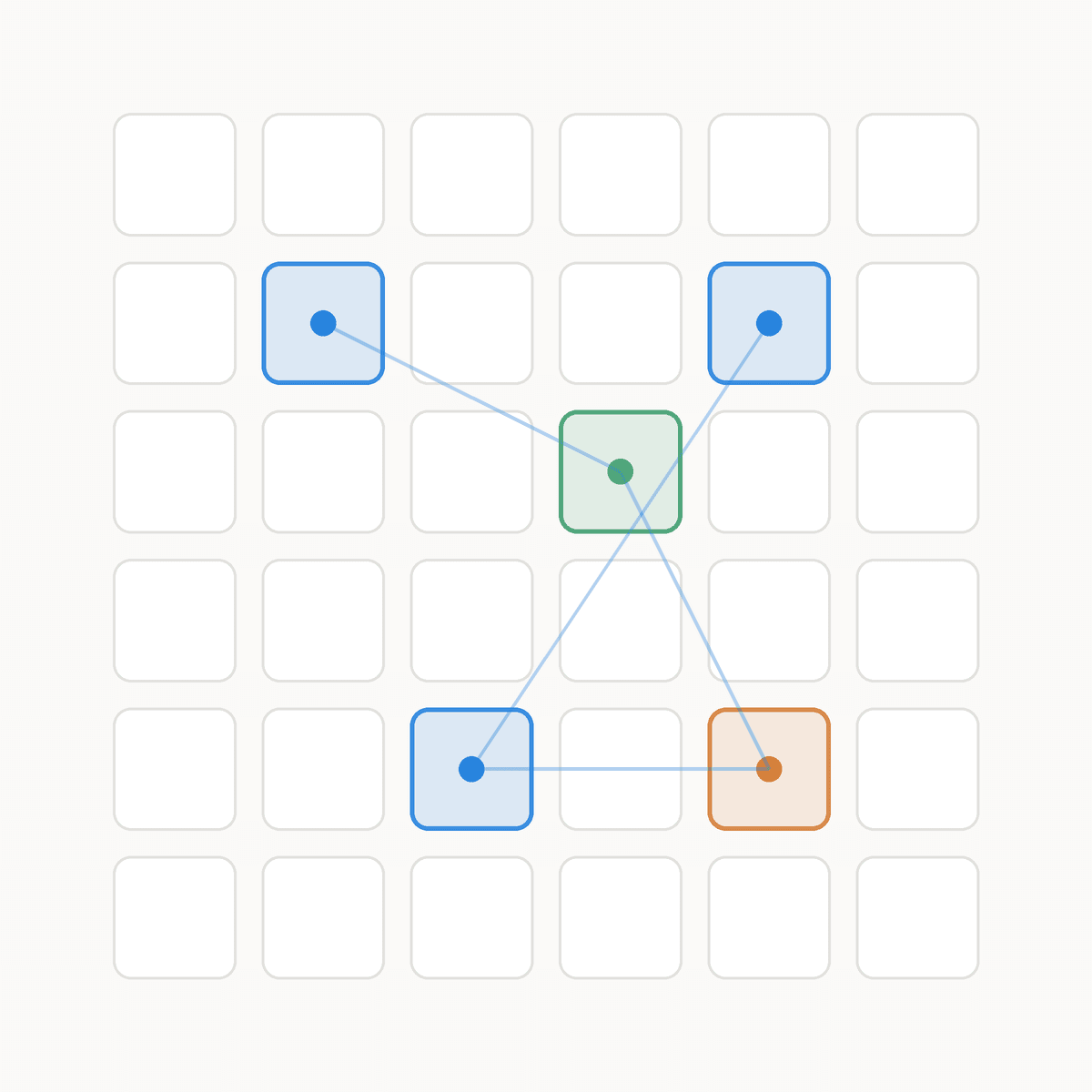
Interoperability is arriving as open standards rather than private integrations, and the momentum sits with MCP and the plugin layers forming around it.
- Vercel shipped Agent Plugins 1.0.0
- A vendor-neutral spec that packages agent skills and MCP servers into portable plugins any compatible client can discover and load.
- Marketplace integrations can install skills automatically through the CLI.
- Notion turned automation into a hosted runtime
- Workers run custom code for database sync, webhook triggers, and agent tools without separate servers.
- The beta moved onto Notion credits on August 11 — a signal it is now production infrastructure.
- Next.js 16.3 keeps the delivery layer fast
- Leaner prefetching and instant navigations improve perceived speed.
- ISR deployments on Vercel are up to 33 percent faster.
What Studios Should Do Now
Agent-native tooling rewards preparation more than experimentation budget. The advantage goes to teams whose assets, sites, and workspaces are structured enough for an agent to navigate.
Agent-Legible Design Systems
Name components, tokens, and Weave tools the way you would explain them to a new hire. Agents inherit whatever clarity or chaos already exists.
Portable Automation
Prefer MCP servers and open plugin formats over one-off integrations, so the same capability works across Claude, ChatGPT, Cursor, and future clients.
Operational Workspaces
Treat structured databases and hosted automations as the studio's operating layer: clean schemas, clear properties, and webhooks agents can act on.
- Audit: pick one repetitive production task this week and run it through an agent surface;
- Standardize: consolidate on MCP-compatible tools before adding new vendors;
- Disclose: with AI-content watermarking now live under the EU AI Act, decide how your studio labels AI-assisted work before clients ask;
- Measure: track where agent-driven work saves hours and where review overhead eats the gains;
The stack is not waiting. Figma, Vercel, and Notion placed the same bet within a single news cycle: the next user of your tools will often be an agent acting on someone's behalf. Studios that prepare their systems for that user will ship faster without surrendering taste.

About the newsletter
What is this issue about?
Figma, Vercel, and Notion all shipped agent-native capabilities in one week — MCP tool access, open plugin standards, and hosted automation runtimes — and what that means for creative stacks.
Who should read it?
Digital studios, product teams, designers, developers, and founders deciding how AI agents fit into their design and delivery workflows.
Key takeaway
Design tools are becoming surfaces that agents can operate. Teams with structured, agent-legible systems will compound the advantage.